
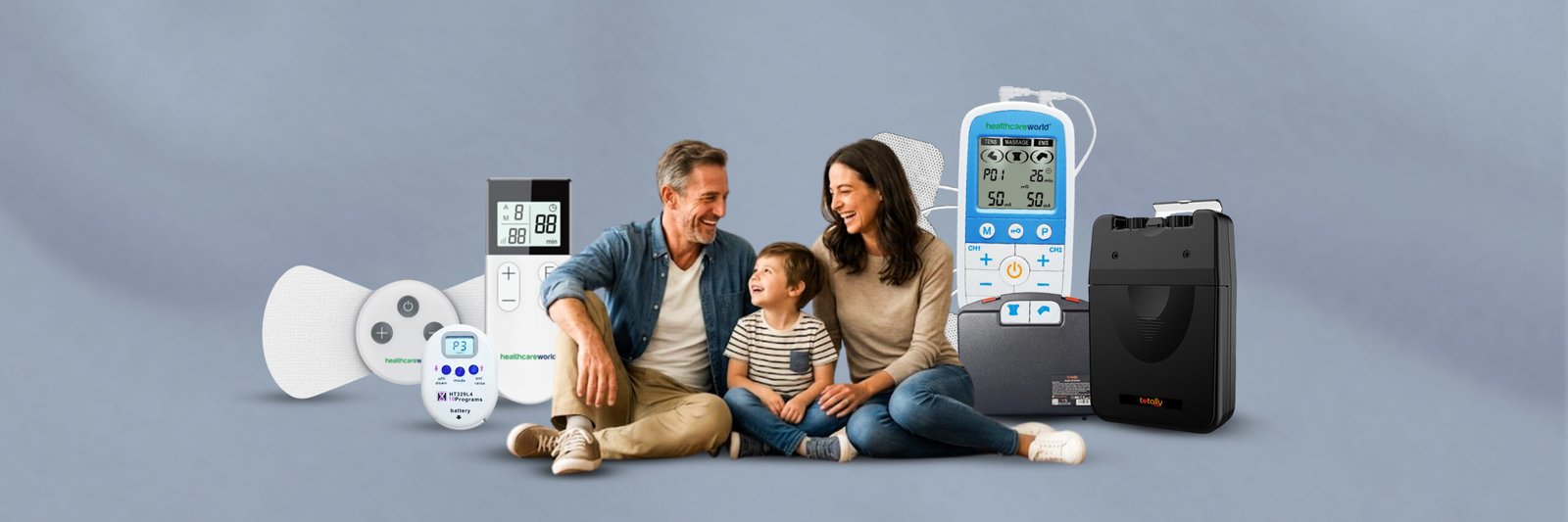
What Is a TENS Machine? A Complete UK Guide to Pain Relief, Safe Use and Choosing the Right Device
What Is a TENS Machine?
A TENS (Transcutaneous Electrical Nerve Stimulation) machine is a portable device that uses mild electrical impulses to stimulate nerves through electrode pads placed on the skin. It is commonly used to help manage certain types of pain, including back pain, neck pain, arthritis, and muscle discomfort. While a TENS machine may help reduce pain for some individuals, it does not treat the underlying cause of pain and should not be considered a cure.
TENS therapy is widely used in the UK as part of a broader pain management approach. Depending on your condition and healthcare provider’s advice, it may be used alongside exercise, physiotherapy, medication, or other treatment options.
What You Need to Know
If you’re wondering “what is a TENS machine?”, you’re not alone. TENS therapy has become increasingly popular among individuals looking for a convenient, non-invasive way to support their pain management routine.
The device works by sending low-voltage electrical pulses through electrodes placed on the skin near the painful area. These electrical impulses are believed to help reduce pain by stimulating nerves and influencing how pain signals are processed by the brain and spinal cord. Some studies also suggest that TENS therapy may encourage the release of endorphins—the body’s natural pain-relieving chemicals.
Although many people report positive experiences, the effectiveness of TENS therapy can vary from person to person. Current medical evidence suggests that while TENS may provide relief for certain conditions, results are not guaranteed, and it should always be used according to the manufacturer’s instructions or advice from a healthcare professional.
How Does a TENS Machine Work?
A TENS machine consists of a small battery-powered unit connected to adhesive electrode pads. These pads are placed on the skin around the area where pain is experienced.
When the device is switched on, it sends gentle electrical impulses through the electrodes to stimulate nearby nerves.
Researchers believe TENS therapy may work in two main ways:
Blocking Pain Signals
One widely accepted theory is the Gate Control Theory of Pain. The electrical impulses generated by the TENS machine may interfere with pain signals travelling from the affected area to the brain, reducing how intensely those signals are perceived.
Encouraging the Release of Endorphins
TENS therapy may also stimulate the body to release endorphins, naturally occurring chemicals that help reduce the sensation of pain and promote feelings of wellbeing.
Because every individual responds differently, some users experience noticeable relief while others may experience only limited benefits.
Common Uses of TENS Therapy
A TENS machine may be recommended or used for managing a variety of pain conditions, including:
- Lower back pain
- Neck and shoulder pain
- Osteoarthritis
- Muscle soreness
- Sports-related discomfort
- Joint pain
- Menstrual pain
- Certain types of nerve pain, such as sciatica (where appropriate)
- Pain during labour (under professional guidance)
The suitability of TENS therapy depends on the individual and the underlying cause of pain. If symptoms are severe, persistent, or unexplained, medical assessment should always be sought before beginning self-treatment.
Step-by-Step Guide: How to Use a TENS Machine
Using a TENS machine correctly can help ensure both safety and effectiveness.
Step 1: Read the User Manual
Before using any device, carefully read the manufacturer’s instructions. Different TENS machines may have different settings and recommended electrode placements.
Step 2: Prepare the Skin
Ensure the skin is clean and dry before applying the electrode pads. Avoid using lotions or oils, as these may reduce adhesion.
Step 3: Position the Electrodes
Place the electrode pads around the painful area, following the guidance provided with your device. Never place electrodes over broken skin, the front of the neck, or directly across the chest unless specifically instructed by a healthcare professional.
Step 4: Start with a Low Intensity
Switch the device on and gradually increase the intensity until you feel a comfortable tingling sensation. The stimulation should never be painful.
Step 5: Monitor Your Session
Most TENS sessions last between 20 and 30 minutes, although recommended treatment duration may vary depending on your device and healthcare advice.
After use, switch the machine off before removing the electrode pads and store the device safely for future use.
Does a TENS Machine Work?
Research suggests that TENS therapy may help relieve pain for some people, particularly when used as part of a broader pain management plan. However, the evidence varies depending on the condition being treated, and not everyone experiences the same results.
According to organisations such as the NHS and Cleveland Clinic, TENS therapy may be beneficial for certain individuals, but it should not replace professional medical treatment when pain is severe, persistent, or associated with an underlying medical condition.
Who Should Avoid Using a TENS Machine?
Although TENS therapy is considered suitable for many people, it is not appropriate for everyone. Before using a TENS machine, it’s important to understand when it may not be recommended.
You should seek advice from a healthcare professional before using a TENS machine if you:
- Have a pacemaker, implantable cardioverter defibrillator (ICD), or another implanted electrical device.
- Are pregnant, particularly during the early stages of pregnancy, unless advised by a qualified healthcare professional or midwife. (If you’re considering TENS for labour specifically, see our guide to using a TENS machine in labour.)
- Have epilepsy, as electrical stimulation may not be appropriate in certain cases.
- Have a known heart condition or irregular heartbeat.
- Have reduced skin sensation that makes it difficult to feel the intensity of the electrical impulses.
- Have broken, irritated, infected, or damaged skin where the electrodes would be placed.
In addition, electrodes should not be placed:
- Over the front or sides of the neck.
- Directly across the chest.
- Over the eyes or temples.
- On areas with active skin infections or open wounds.
If your pain is sudden, severe, worsening, or accompanied by symptoms such as fever, unexplained weight loss, numbness, or loss of bladder or bowel control, seek immediate medical attention rather than relying on a TENS machine.
Safety, Limitations and Common Mistakes
Like any healthcare device, a TENS machine works best when used correctly. Understanding its limitations is just as important as knowing its benefits.
TENS Therapy Is Not a Cure
A TENS machine is designed to help manage pain, not to treat or cure the underlying condition causing it. If pain persists or becomes worse, consult your GP or healthcare provider for further assessment.
Results Can Vary
One of the most common questions people ask is, “Does a TENS machine work?”
The answer is that it may help many people, but results vary. Factors such as the type of pain, correct electrode placement, treatment duration, and individual response all influence its effectiveness. While some users experience noticeable relief, others may find the benefits limited. Some long-term users also ask whether the body can build a tolerance to TENS therapy over time, which is worth understanding if you plan to use a device regularly. For a closer look at the mechanism behind the stimulation itself, see our guide on how a TENS machine works.
Common Mistakes to Avoid
Many first-time users don’t get the best results because of simple errors.
Incorrect electrode placement. Placing electrodes too far from the painful area—or directly over joints, bones, or areas where they are not recommended—can reduce effectiveness. Always follow the instructions provided with your device.
Using the intensity too high. More intensity does not necessarily mean better results. The stimulation should feel like a comfortable tingling sensation, not pain or discomfort.
Using worn-out electrode pads. Old or damaged electrode pads may not stick properly or conduct electrical impulses effectively. Replacing them with fresh, high-quality electrode pads when recommended helps maintain consistent performance.
Ignoring the user instructions. Different TENS machines offer various programmes and settings. Taking a few minutes to read the user manual can significantly improve your experience.
How Should Beginners Use a TENS Machine?
If you’re using a TENS machine for the first time, start with a simple approach.
A beginner should:
- Read the instruction manual carefully
- Position the electrode pads according to the manufacturer’s guidance
- Start with the lowest comfortable intensity
- Use the machine for the recommended session length
- Observe how your body responds before adjusting settings
If you are unsure about electrode placement or whether TENS therapy is suitable for your condition, speak to a healthcare professional before use.
How to Choose the Right TENS Machine
With a wide range of devices available, choosing the right model depends on your individual needs. When comparing products, consider the following features.
Ease of Use
Look for a device with a clear display, straightforward controls, and pre-set treatment programmes if you’re new to TENS therapy.
Adjustable Intensity Levels
Multiple intensity settings allow you to personalise treatment and find a comfortable level of stimulation.
Number of Channels
Some TENS machines allow you to connect two or four electrode pads simultaneously, making it easier to treat larger or multiple areas of discomfort.
Battery Life and Portability
Compact, lightweight devices with long battery life are ideal for people who want to use TENS therapy at home, at work, or while travelling.
Safety and Quality
Choose products supplied by reputable healthcare providers that meet relevant UK safety standards and include clear user instructions.
TENS vs EMS: What’s the Difference?
Although they may look similar, TENS and EMS (Electrical Muscle Stimulation) devices are designed for different purposes.
| Feature | TENS Machine | EMS Machine |
| Primary purpose | Pain management | Muscle stimulation and rehabilitation |
| Target | Sensory nerves | Muscles |
| Typical users | Individuals experiencing pain | People recovering from injury or improving muscle function |
| Main benefit | May help reduce the perception of pain | Supports muscle contraction and conditioning |
Some combination devices offer both TENS and EMS functions, allowing users to switch between pain management and muscle stimulation depending on their needs.
If you’re exploring your options, browse our range of TENS and EMS Machines to find a solution that best suits your requirements.
Frequently Asked Questions
What is a TENS machine used for?
A TENS machine is used to help manage certain types of pain by delivering low-voltage electrical impulses through electrode pads placed on the skin. It is commonly used for conditions such as back pain, neck pain, arthritis, muscle soreness, and menstrual pain. While many people find it helpful, it should be used as part of a broader pain management plan where appropriate.
Does a TENS machine work?
A TENS machine may provide pain relief for some individuals, but its effectiveness can vary depending on the person and the condition being treated. Clinical evidence suggests it may help reduce pain in some cases; however, it is not a guaranteed solution and should not replace professional medical advice or treatment.
How should beginners use a TENS machine?
Beginners should start by reading the manufacturer’s instructions carefully, placing the electrode pads correctly, and using the lowest comfortable intensity. Sessions should follow the recommended duration, and the intensity should only produce a gentle tingling sensation. If you are unsure whether TENS therapy is suitable for you, consult a healthcare professional before use.
Who should avoid using a TENS machine?
TENS machines are not suitable for everyone. Individuals with pacemakers or other implanted electrical devices, certain heart conditions, epilepsy, or those who are pregnant should seek medical advice before using a TENS machine. It should also not be used on broken skin or over areas such as the front of the neck or across the chest.
Key Takeaways
A TENS machine offers a convenient and non-invasive way to support pain management for a range of conditions. By delivering gentle electrical stimulation through the skin, it may help reduce the perception of pain and support day-to-day comfort for some users.
However, TENS therapy is not a cure and should be viewed as one part of a wider approach to managing pain. Using the device correctly, following the manufacturer’s instructions, and seeking professional medical advice when needed are all important for safe and effective use.
Whether you’re new to TENS therapy or looking to upgrade your current device, understanding how it works and choosing a quality product can help you make a more informed decision.
Explore Our Range of TENS and EMS Machines
Looking for a reliable device to support your pain management routine?
Explore our collection of TENS and EMS Machines, designed to provide user-friendly, dependable solutions for home and professional use. Whether you’re managing everyday aches or looking for a versatile therapy device, our range offers options to suit a variety of needs.
Safety Disclaimer
This article is intended for informational purposes only and should not be considered medical advice. TENS therapy may not be suitable for everyone, and results can vary between individuals. Always read the manufacturer’s instructions before using a TENS machine and consult a qualified healthcare professional if you have an underlying medical condition, are pregnant, have an implanted electrical device, or are unsure whether TENS therapy is appropriate for you.