
How Does a TENS Machine Work? A Complete Guide to Understanding TENS Therapy
Quick Answer: How Does a TENS Machine Work?
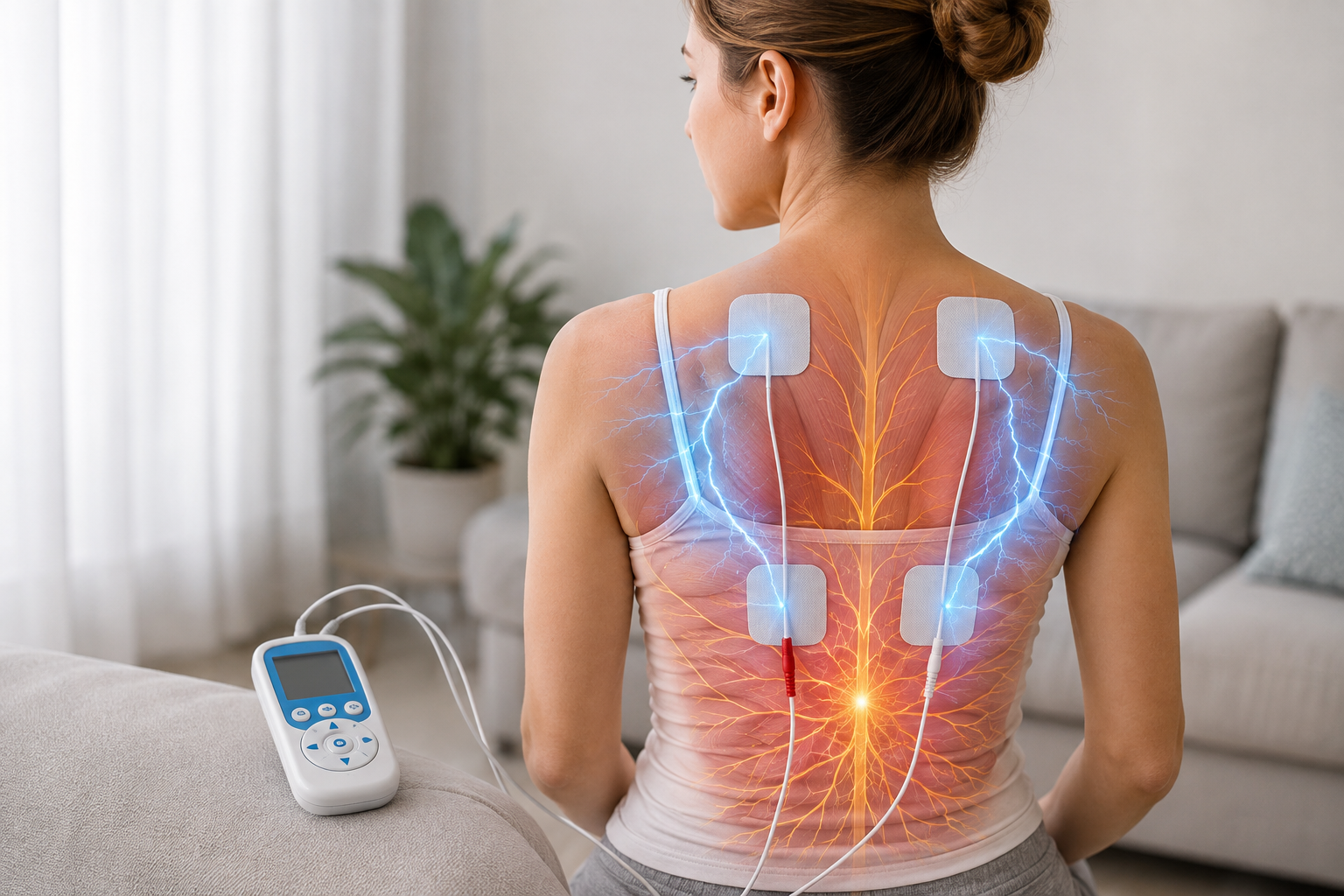
A TENS (Transcutaneous Electrical Nerve Stimulation) machine works by delivering low-voltage electrical impulses through electrode pads placed on the skin. These impulses stimulate the nerves beneath the skin, helping to alter the way pain signals are transmitted to the brain and spinal cord. TENS therapy may also encourage the release of endorphins, the body’s natural pain-relieving chemicals. While many people use TENS machines to help manage different types of pain, the level of relief varies from person to person, and the therapy should not be viewed as a cure for the underlying condition.
Understanding How a TENS Machine Works
If you’ve ever wondered how does a TENS machine work, the answer lies in the body’s nervous system. Every sensation of pain begins when specialised nerve endings detect damage or irritation and send electrical signals through the spinal cord to the brain. It is only after the brain interprets these signals that pain is consciously experienced.
A TENS machine introduces a different type of electrical signal into this communication pathway. Instead of treating the source of pain, it stimulates sensory nerves using gentle electrical pulses delivered through adhesive electrode pads placed on the skin. These additional signals may influence how pain messages are processed, making discomfort feel less noticeable for some users.
Because TENS therapy works by interacting with the nervous system rather than the underlying cause of pain, it is generally considered a method of pain management rather than a medical treatment. It is often used alongside physiotherapy, prescribed medication, exercise programmes, or other healthcare interventions where appropriate.
The Science Behind Electrical Nerve Stimulation
The technology used in TENS therapy is based on decades of research into how nerves communicate with the brain. Although researchers continue to study its effectiveness for different conditions, two widely accepted theories help explain why some people experience pain relief during TENS therapy.
The first is known as the Gate Control Theory of Pain, proposed by Ronald Melzack and Patrick Wall in 1965. According to this theory, the spinal cord acts like a “gate” through which pain signals must pass before reaching the brain. If you want to go deeper into the physiology involved, our guide on how TENS therapy affects different nerve fibres breaks this down further. The gentle electrical stimulation produced by a TENS machine may interfere with these pain signals, effectively reducing the number that reach the brain. As a result, the sensation of pain may become less intense while the machine is in use.
Another explanation involves the body’s natural production of endorphins. These naturally occurring chemicals act as the body’s own pain-relieving substances. Some research suggests that certain TENS settings may encourage the release of endorphins, potentially contributing to temporary pain relief. However, responses vary considerably between individuals, and the exact mechanisms are still being explored through ongoing research.
Together, these theories help explain why TENS therapy may provide relief for some users while producing different results for others.
What Happens During a TENS Therapy Session?
Using a TENS machine is a straightforward process, but understanding what happens during a treatment session can make the experience less intimidating, especially for first-time users.
Once the electrode pads are positioned on clean, dry skin near the painful area, the device delivers controlled electrical impulses through the electrodes. These impulses are usually felt as a gentle tingling, buzzing, or tapping sensation. They should never be painful, and the intensity can normally be adjusted according to individual comfort.
During treatment, the electrical stimulation continues to interact with sensory nerves while the device remains switched on. Some people notice that discomfort becomes less noticeable during the session, whereas others experience little immediate change. Individual responses depend on factors such as the type of pain, electrode placement, treatment settings, and personal sensitivity.
After the session ends, the level of pain relief may continue for a period of time in some users, while others may require repeated sessions as recommended by a healthcare professional or according to the manufacturer’s instructions.
Can a TENS Machine Treat Every Type of Pain?
Although TENS therapy is widely used, it is important to understand its limitations.
TENS machines are commonly used to support the management of musculoskeletal pain, including lower back pain, neck pain, osteoarthritis, and muscle soreness. Some individuals also use TENS therapy during labour or to help manage certain types of chronic pain, including sciatica, under professional guidance.
However, a TENS machine is not suitable for every type of pain, nor does it address the underlying cause of a medical condition. Pain that is severe, unexplained, or accompanied by symptoms such as fever, sudden weakness, numbness, or changes in bladder or bowel function should always be assessed by a healthcare professional.
Using a TENS machine should therefore be considered one component of a broader pain management strategy rather than a replacement for medical diagnosis or treatment.
Why Electrode Placement Matters
One of the most important factors affecting how a TENS machine works is the placement of the electrode pads. The electrical impulses can only stimulate the intended nerves if the electrodes are positioned correctly.
Rather than placing pads directly over the point of greatest discomfort, manufacturers often recommend positioning them around the painful area or along the pathway of the affected nerves. This allows the electrical stimulation to reach the sensory nerves more effectively while maintaining user comfort.
Incorrect placement may reduce the effectiveness of treatment or make the stimulation uncomfortable. For this reason, users should always follow the placement diagrams provided with their specific device or seek guidance from a healthcare professional if unsure.
Who May Benefit from TENS Therapy?
TENS therapy is commonly used by individuals looking for a non-invasive method to support the management of pain. Healthcare professionals may recommend it as part of a broader treatment plan for certain musculoskeletal conditions, particularly when combined with physiotherapy, exercise, or other clinically appropriate interventions.
People experiencing lower back pain, neck and shoulder discomfort, osteoarthritis, muscle soreness, or certain forms of chronic pain may choose to use a TENS machine as part of their pain management routine. Some individuals also use TENS therapy during labour under the guidance of a qualified healthcare professional. While many users report positive experiences, it is important to recognise that no two people respond to TENS therapy in exactly the same way. Factors such as the underlying condition, correct electrode placement, treatment settings, and individual physiology all influence the outcome.
Rather than asking whether TENS therapy works for everyone, a more appropriate question is whether it is suitable for your particular circumstances. If you are uncertain, consulting a healthcare professional is always advisable before beginning treatment.
How Should Beginners Use a TENS Machine?
For those using a TENS machine for the first time, the most important step is understanding that successful treatment depends on correct use rather than higher intensity settings. Before switching the device on, users should familiarise themselves with the manufacturer’s instructions, as different models may offer different programmes and recommendations.
The skin should be clean and dry before the electrode pads are applied. Once the pads are positioned according to the guidance supplied with the device, the machine can be switched on at its lowest setting. The intensity should then be increased gradually until a comfortable tingling sensation is felt. Stronger stimulation does not necessarily produce better results, and treatment should never become painful.
Many users incorporate TENS therapy into their daily routine, although the duration and frequency of sessions will vary depending on the device being used and any advice provided by a healthcare professional. Monitoring how your body responds over time can help determine whether TENS therapy is an appropriate addition to your pain management plan.
Safety Considerations and Limitations
Although TENS machines are generally considered safe when used correctly, they are not suitable for every individual or every situation. Understanding these limitations is essential for safe and responsible use.
People who have implanted electrical devices, such as pacemakers or implantable cardioverter defibrillators (ICDs), should seek medical advice before using a TENS machine because the electrical impulses may interfere with these devices. Similarly, individuals with epilepsy, certain heart conditions, or reduced skin sensation should consult a healthcare professional before beginning TENS therapy.
Electrode placement also plays an important role in safety. Pads should not be placed across the chest, on the front or sides of the neck, over the eyes, or on broken or infected skin. Following the placement guidance provided by the manufacturer helps reduce unnecessary risks while improving the effectiveness of treatment.
It is equally important to remember that TENS therapy should not delay appropriate medical care. Persistent, worsening, or unexplained pain requires professional assessment to identify its underlying cause.
Common Mistakes That Can Reduce Effectiveness
One of the most common misconceptions about TENS therapy is that increasing the intensity will automatically improve pain relief. In reality, excessively high settings may simply cause discomfort without providing additional benefit. The goal is to achieve a comfortable level of stimulation rather than the strongest sensation possible.
Another frequent mistake involves incorrect electrode placement. Because electrical impulses target sensory nerves rather than pain itself, placing the pads in unsuitable locations may reduce the effectiveness of treatment. Users should always refer to the placement diagrams supplied with their device instead of relying on guesswork.
Neglecting the condition of the electrode pads can also affect performance. Adhesive pads naturally lose their effectiveness over time, and worn pads may not maintain proper contact with the skin. Replacing them with good-quality electrode pads as recommended by the manufacturer helps ensure consistent electrical stimulation.
Finally, some users expect immediate or permanent results after a single session. TENS therapy is intended to support pain management, and individual responses vary considerably. Maintaining realistic expectations is an important part of using the device appropriately.
Choosing the Right TENS Machine
When selecting a TENS machine, it is worth considering more than just price. Features such as adjustable intensity levels, multiple treatment programmes, easy-to-read displays, rechargeable batteries, and high-quality electrode pads can all contribute to a better user experience.
Some devices also combine TENS and EMS (Electrical Muscle Stimulation) functions. While TENS is designed primarily to support pain management by stimulating sensory nerves, EMS targets muscle contractions and is commonly used in muscle rehabilitation and conditioning. Understanding this distinction can help users choose a device that best meets their individual needs.
If you are exploring different options, our range of TENS and EMS Machines offers solutions suitable for home use while supporting a variety of pain management and muscle stimulation requirements.
TENS and EMS: Understanding the Difference
Although TENS and EMS devices often appear similar, they are designed for different purposes. TENS therapy focuses on stimulating sensory nerves with the aim of helping to reduce the perception of pain. EMS technology, on the other hand, stimulates muscles directly to encourage contraction and support rehabilitation or muscle conditioning.
Combination devices that include both technologies allow users to switch between pain management and muscle stimulation where appropriate. Choosing between the two depends on your intended use, making it important to understand each technology before purchasing a device.
Frequently Asked Questions
Does a TENS machine work?
A TENS machine may help reduce the perception of pain for some individuals by stimulating sensory nerves and influencing how pain signals are processed. Research indicates that its effectiveness varies depending on the person, the type of pain being treated, and how the device is used. While many users find TENS therapy beneficial, it should not be viewed as a guaranteed solution or a substitute for professional medical treatment.
Who should avoid using a TENS machine?
Although TENS therapy is considered safe for many people, it is not suitable for everyone. Individuals with pacemakers, implantable cardioverter defibrillators (ICDs), certain heart conditions, or epilepsy should seek medical advice before using a TENS machine. It may also be unsuitable during pregnancy unless recommended by a healthcare professional. TENS should not be used over broken skin, across the chest, or on the front of the neck. If you are unsure whether TENS therapy is appropriate for your circumstances, consult your GP or another qualified healthcare professional.
Can I use a TENS machine every day?
Many people use a TENS machine regularly as part of their pain management routine. However, the appropriate frequency and duration of treatment depend on the individual, the condition being managed, and the manufacturer’s recommendations. If you use your device frequently, it’s worth reading about whether the body can build a tolerance to TENS therapy and how to keep it effective over time. If symptoms persist or worsen despite regular use, professional medical advice should be sought.
How long does it take for a TENS machine to work?
Some users notice a reduction in discomfort during or shortly after a treatment session, while others may require repeated use before experiencing any noticeable benefit. Responses differ from person to person, and there is no guaranteed timeframe for pain relief.
Can a TENS machine cure pain?
No. A TENS machine is designed to help manage pain rather than treat or cure the underlying cause of a medical condition. It is most effective when used as part of a broader approach to pain management, which may include physiotherapy, exercise, medication, or other treatments recommended by a healthcare professional.
Final Thoughts
Understanding how a TENS machine works can help you make a more informed decision about whether TENS therapy is suitable for your needs. By delivering gentle electrical impulses to sensory nerves, the device aims to influence the way pain signals are processed and may provide temporary relief for some individuals. While the exact response differs from person to person, TENS therapy remains a widely recognised, non-invasive option that can support pain management when used correctly.
As with any healthcare device, safe and effective use depends on following the manufacturer’s instructions, positioning the electrodes correctly, and recognising when professional medical advice is needed. A TENS machine should complement—not replace—a comprehensive treatment plan developed with a qualified healthcare professional.
Whether you are exploring TENS therapy for the first time or looking to upgrade your current device, choosing a reliable, high-quality product is an important step towards safe and confident use.
Explore TENS and EMS Machines
Looking for a dependable device to support your pain management routine?
Explore our range of TENS and EMS Machines, designed to provide reliable performance, straightforward operation, and flexible treatment options for home use. Whether your goal is pain management, muscle stimulation, or a combination of both, our collection offers solutions to suit a variety of individual needs.
Safety Disclaimer
This article is intended for informational purposes only and does not constitute medical advice. A TENS machine may not be suitable for everyone, and individual results can vary. Always read the manufacturer’s instructions before use and consult a qualified healthcare professional if you have an underlying medical condition, are pregnant, use an implanted electrical device, or are uncertain whether TENS therapy is appropriate for you. Never ignore professional medical advice or delay seeking treatment because of information contained in this article.