
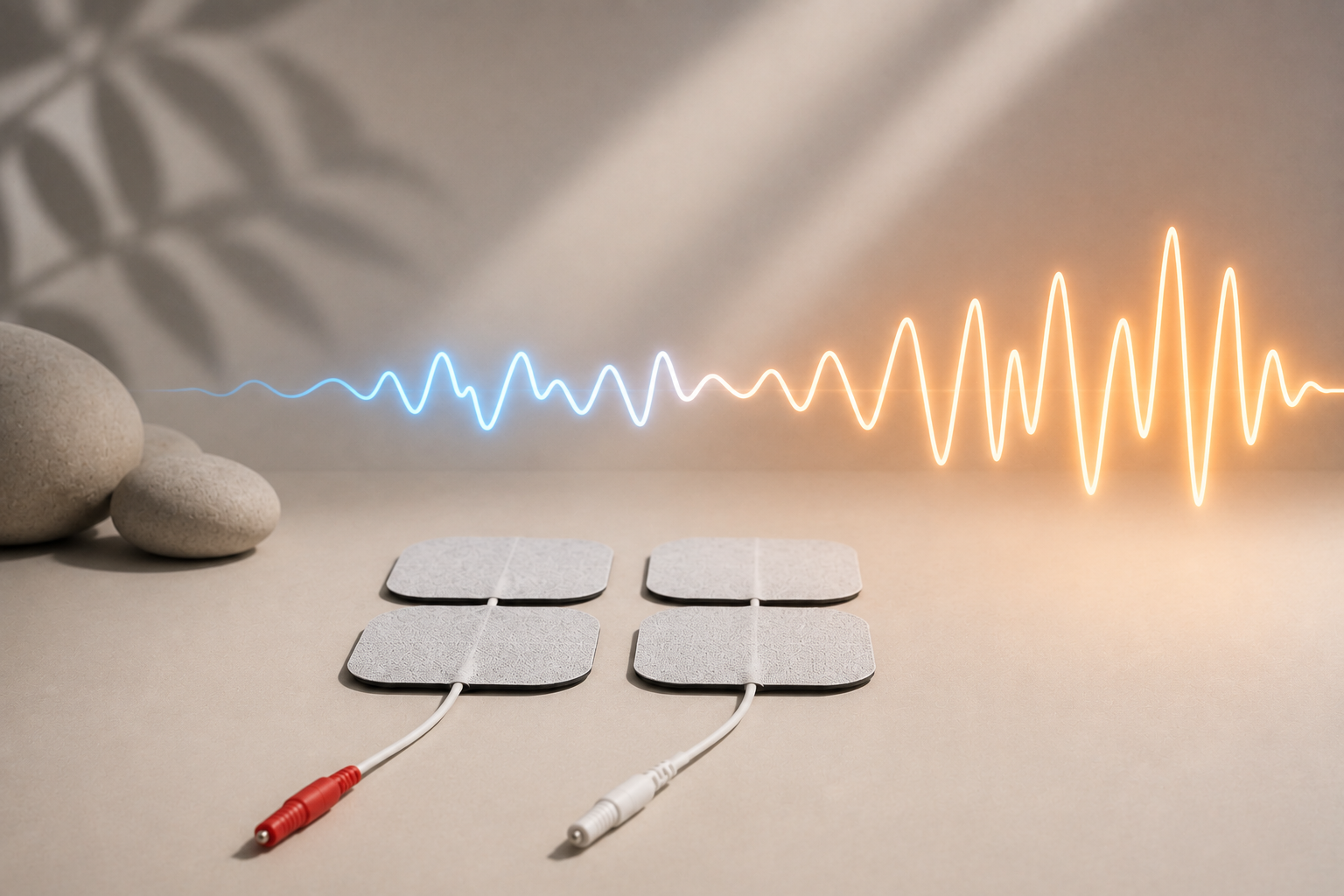
TENS Intensity Guide
Choosing the right TENS intensity is one of the most important steps in getting the most from your TENS machine.
If the setting is too low, you may barely notice the electrical stimulation. If it is too high, treatment can become uncomfortable and may even discourage you from using the device consistently. The ideal intensity is one that feels strong but comfortable, allowing you to complete your session without pain.
This TENS intensity guide explains how the intensity setting works, why it matters, and how to adjust it safely. You’ll also learn about common mistakes, who should avoid TENS therapy, and practical tips to help you use your device with confidence. While TENS may help some people manage pain, it is not a cure and should always be used according to the manufacturer’s instructions and, where appropriate, professional medical advice.
What Is TENS Intensity?
TENS intensity refers to the strength of the electrical impulses delivered by a Transcutaneous Electrical Nerve Stimulation (TENS) machine. It is the setting that controls how strongly you feel the tingling sensation created by the device through the electrode pads.
Unlike frequency or pulse width, which affect how the impulses are delivered, intensity simply changes how powerful those impulses feel. Every person experiences electrical stimulation differently, so there is no universal setting that works for everyone.
A common misconception is that increasing the intensity to the highest level will provide better pain relief. In reality, the goal is to find a level that is noticeable but remains comfortable throughout your treatment. If the stimulation becomes painful or causes excessive muscle contractions, the intensity is likely too high.
If you’re new to TENS therapy, it’s worth understanding the basics before adjusting any settings. Our guide on What Is a TENS Machine? explains how the technology works and the situations in which it may be used.
Why Is TENS Intensity Important?
The intensity setting plays a key role in how comfortable your treatment feels. Even if you’ve selected the correct programme or treatment duration, an unsuitable intensity can affect your overall experience.
When the intensity is too low, the electrical impulses may be difficult to feel. While some stimulation is still occurring, many users find that a barely noticeable sensation makes it harder to judge whether the treatment is being delivered comfortably.
On the other hand, setting the intensity too high can cause discomfort. Instead of a gentle tingling sensation, you may experience stinging, sharp pulses, or strong muscle contractions. This often leads people to stop their session early or avoid using the device altogether.
Finding the right balance helps you complete your treatment comfortably, which is far more important than simply choosing the highest possible setting.
How Intensity Differs from Frequency and Pulse Width
People often confuse intensity with other TENS settings, particularly frequency and pulse width. Although they work together, they control different aspects of the treatment.
Frequency determines how many electrical pulses are delivered each second, while pulse width controls the duration of each pulse. Intensity, however, controls the strength of those pulses and how strongly you feel them on your skin.
Understanding these differences makes it easier to adjust your device without changing settings unnecessarily. If you’d like a broader explanation of how these controls work together, our How Does a TENS Machine Work? guide explores the technology in more detail.
How to Find the Right TENS Intensity
Finding the correct intensity doesn’t require guesswork. Instead, it’s about making gradual adjustments until the stimulation feels strong enough to notice but never uncomfortable.
Start at the Lowest Setting
Before switching on your TENS machine, ensure the intensity is set to its lowest level. This prevents the electrical stimulation from feeling unexpectedly strong when treatment begins.
Once the machine is running, slowly increase the intensity using the control buttons or dial. Take your time rather than making large adjustments all at once.
Increase the Intensity Gradually
As you raise the intensity, you’ll begin to notice a tingling or buzzing sensation beneath the electrode pads. Continue increasing the setting until the sensation is clear and comfortable.
You should never feel burning, sharp pain, or significant discomfort. If you do, reduce the intensity slightly or check that the pads are positioned correctly.
Remember that your comfort level is unique. The ideal setting for someone else may feel far too strong or too weak for you.
Know When You’ve Reached the Right Level
Many users ask how they can tell when they’ve found the correct intensity. The answer is surprisingly simple: it should feel noticeable without becoming unpleasant.
A comfortable treatment usually produces a steady tingling sensation that remains easy to tolerate for the entire session. You should be able to relax, read, or watch television without feeling distracted by the stimulation.
As your body becomes accustomed to the impulses, the sensation may become less noticeable. This is normal. If necessary, you can increase the intensity slightly to maintain a similar level of stimulation, provided it remains comfortable.
Factors That Affect Your Ideal Intensity
No two people experience TENS therapy in exactly the same way. Several factors influence how strong the electrical stimulation feels and why one setting may suit one person but not another.
Your pain threshold is one of the biggest influences. Some people naturally tolerate stronger electrical stimulation, while others achieve a comfortable treatment at much lower settings. Neither approach is right or wrong, as long as the stimulation remains comfortable.
The area of the body being treated also makes a difference. Bony areas or regions with thinner skin often feel more sensitive than larger muscle groups, meaning you may need to use a lower intensity.
Electrode placement is equally important. Correctly positioned pads allow the electrical impulses to travel through the intended treatment area more effectively. Poor placement can make the stimulation feel uneven or uncomfortable, even if the intensity itself hasn’t changed.
The condition of your electrode pads should not be overlooked either. Worn or dried-out pads can reduce conductivity and create uncomfortable “hot spots”. Replacing them when necessary helps maintain consistent performance and can make it easier to find a comfortable intensity.
Common Mistakes When Adjusting TENS Intensity
Many first-time users assume that stronger stimulation automatically produces better results. This is one of the most common misconceptions surrounding TENS therapy.
In reality, increasing the intensity beyond your comfort level is unlikely to improve your experience. Instead, it often makes treatment uncomfortable and encourages people to shorten their sessions.
Another frequent mistake is using old electrode pads that no longer stick properly. When the pads lose their adhesive quality, the electrical impulses may not be distributed evenly across the skin. This can make even moderate intensity settings feel unpleasant.
Some users also leave their intensity unchanged throughout every treatment. As your body adapts to the stimulation during a session, making small adjustments can help maintain a consistent sensation without making the treatment uncomfortable.
Finally, avoid comparing your settings with someone else’s. There is no “perfect” intensity number because every person’s body responds differently.
Does TENS Intensity Work?
Many people wonder whether simply increasing the intensity will make a TENS machine work better. The answer is no. While the intensity setting is an important part of treatment, there is no evidence that the highest setting always provides the best results.
A TENS machine works by delivering gentle electrical impulses through the skin to stimulate sensory nerves. These impulses may help reduce the perception of pain for some people by interfering with pain signals sent to the brain and by encouraging the body’s natural pain-relieving responses. However, the effectiveness of TENS varies depending on the individual, the type of pain being treated, and how the device is used.
The role of the intensity setting is to ensure that the stimulation is strong enough to be felt without becoming uncomfortable. If the sensation is barely noticeable, you may wish to increase the intensity slightly. Equally, if it becomes painful, reducing the setting is usually the better option.
Research suggests that TENS may provide short-term pain relief for some people, but it does not work in the same way for everyone. For this reason, it should be viewed as one option within a broader pain management plan rather than a guaranteed solution.
Signs You’ve Found the Right TENS Intensity
Finding the right intensity is usually based on comfort rather than a specific number displayed on the machine. Once you’ve used your TENS device a few times, you’ll begin to recognise what feels right for you.
A suitable intensity should produce a clear tingling or buzzing sensation beneath the electrode pads. The feeling should remain noticeable throughout the session without becoming painful or distracting.
If the stimulation begins to sting, burn, or cause uncomfortable muscle contractions, the intensity is probably too high. Similarly, if you can barely feel the electrical impulses after gradually increasing the setting, you may benefit from raising it slightly until the sensation becomes more noticeable.
Keep in mind that the sensation may fade slightly during treatment as your body adapts to the stimulation. This is completely normal and does not necessarily mean the machine has stopped working. Making a small adjustment can often restore the original sensation without making the treatment uncomfortable.
Who Should Avoid Using TENS?
Although TENS machines are widely used, they are not suitable for everyone. Before using one, it’s important to understand when extra caution is needed and when professional medical advice should be sought.
People with a pacemaker or another implanted electrical medical device should not use TENS unless advised to do so by their healthcare provider, as the electrical impulses may interfere with the device.
If you are pregnant, have epilepsy, or have reduced skin sensation, you should also seek medical advice before using a TENS machine. Likewise, electrode pads should never be placed over broken, infected, or irritated skin.
If you are unsure whether TENS is appropriate for your condition, speak to a qualified healthcare professional before starting treatment. They can advise whether TENS is suitable and recommend the safest way to use it.
Tips for Getting the Best Results from Your TENS Machine
Finding the right intensity is only one part of using a TENS machine effectively. Good preparation and correct use can make your treatment more comfortable and help your device perform consistently.
Start by ensuring that your skin is clean and dry before applying the electrode pads. This helps improve contact and allows the electrical impulses to be delivered more evenly.
It’s also worth checking your electrode pads regularly. Over time, they naturally lose their adhesive properties and conductivity. Replacing worn pads can improve comfort and ensure the stimulation remains consistent without increasing the intensity unnecessarily.
Following the manufacturer’s instructions for pad placement is equally important. Correct positioning allows the electrical impulses to target the intended area more effectively and may improve your overall experience.
Finally, be patient. It can take a few sessions to become familiar with your preferred settings. Small adjustments are usually more effective than making large changes all at once.
Choosing the Right TENS Machine
Using a quality device makes it much easier to adjust the intensity to suit your comfort level. Modern TENS and EMS Machines typically offer multiple intensity levels and treatment programmes, giving you greater control over your therapy.
Pairing your machine with high-quality replacement electrode pads can also help maintain consistent stimulation over time. Fresh pads provide better skin contact, reducing the likelihood of uneven stimulation or uncomfortable hot spots.
Whether you’re purchasing your first device or replacing an older one, choosing reliable equipment can make a noticeable difference to your overall experience.
Explore TENS and EMS Machines
If you’re looking for a dependable device with adjustable intensity settings, explore TENS and EMS Machines You’ll also find compatible replacement electrode pads and accessories designed to help you get the most from every treatment session.
Frequently Asked Questions
Does TENS intensity work?
TENS intensity is an important part of treatment because it controls how strongly you feel the electrical stimulation. The ideal setting is usually the highest level that remains comfortable. While TENS may help some people manage pain, results vary from person to person and are not guaranteed.
Who should avoid TENS?
People with pacemakers or implanted electrical devices, those who are pregnant without medical advice, individuals with epilepsy, or anyone with damaged skin where the pads would be placed should speak to a healthcare professional before using TENS.
How should beginners use TENS intensity?
Beginners should start with the lowest intensity setting and increase it gradually until they feel a clear but comfortable tingling sensation. The treatment should never feel painful or cause significant discomfort.
Can I use the maximum intensity setting?
Not necessarily. A higher intensity does not automatically provide better results. The most suitable setting is the strongest level that remains comfortable throughout your treatment.
Why does the tingling sensation become weaker during treatment?
Your body can gradually adapt to the electrical stimulation during a session. If this happens, increasing the intensity slightly may help restore the sensation while keeping the treatment comfortable.
How often should I replace my electrode pads?
This depends on how frequently you use your TENS machine and how well you care for the pads. If they no longer stick properly or the stimulation feels uneven, it is usually time to replace them.
Safety Disclaimer
This article is intended for general educational purposes only and should not be taken as medical advice. TENS therapy may not be suitable for everyone. Always follow the instructions provided with your device and consult a qualified healthcare professional before using a TENS machine if you have an underlying medical condition, are pregnant, have an implanted electrical device, or are unsure whether TENS is appropriate for you.
Trusted References
- NHS. Transcutaneous Electrical Nerve Stimulation (TENS). https://www.nhs.uk/tests-and-treatments/transcutaneous-electrical-nerve-stimulation-tens/
- Cleveland Clinic. Transcutaneous Electrical Nerve Stimulation (TENS). https://my.clevelandclinic.org/health/treatments/15840-transcutaneous-electrical-nerve-stimulation-tens/