
Top 10 Non-Medical Ways to Manage Pain at Home
Introduction
Not all pain requires prescription drugs or invasive procedures. Many people benefit from non-medical approaches that are safe, effective, and easy to implement at home. These strategies not only relieve pain but also improve overall wellness.
1. Regular Exercise
Gentle exercises like walking, swimming, or cycling strengthen muscles, reduce stiffness, and release endorphins—natural painkillers.
2. Stretching and Yoga
Stretching keeps muscles flexible and improves mobility. Yoga combines stretching with mindfulness, reducing both physical and mental stress.
3. Heat and Cold Therapy
- Heat: Relaxes tight muscles and increases blood flow.
- Cold: Reduces inflammation and numbs acute pain.
4. Proper Posture and Ergonomics
Maintaining good posture at work and home prevents strain on muscles and joints, reducing chronic back or neck pain.
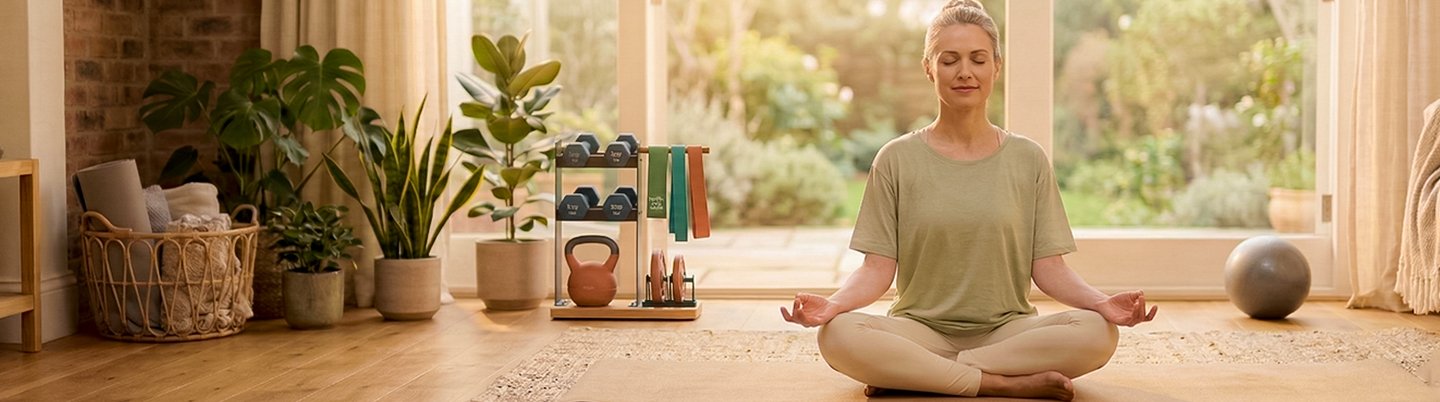
5. Mindfulness and Meditation
Techniques like deep breathing, guided meditation, or progressive muscle relaxation reduce stress, which can intensify pain perception.
6. Massage Therapy
Self-massage or professional massage improves circulation, eases muscle tension, and promotes relaxation.
7. Adequate Sleep
Sleep deprivation worsens pain sensitivity. Maintaining a consistent sleep schedule and optimizing sleep environment is crucial.
8. Anti-Inflammatory Diet
Foods rich in omega-3 fatty acids, antioxidants, and fiber reduce inflammation. Avoid processed foods, sugar, and excessive caffeine.
9. Acupuncture
This ancient therapy may relieve certain types of chronic pain by stimulating nerves and improving circulation.
10. Mind-Body Hobbies
Gardening, drawing, or listening to music can distract from pain, reduce stress, and boost mood.
Conclusion
Home-based pain management techniques empower individuals to take control of their health. Combining multiple strategies often delivers the best results and improves physical, emotional, and mental well-being.